Independent Veterinary Clinic in Parma, OH
Aaron Animal Clinic is a locally owned animal hospital in Parma, Ohio, providing veterinary care for dogs, cats, and exotics. Since 1982, our family-friendly clinic has offered a complete lineup of veterinary services with a personal, unhurried approach for pets.
Compassionate One-on-One Veterinary Care
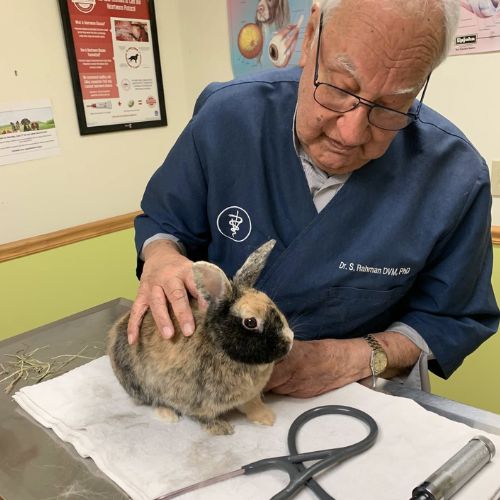
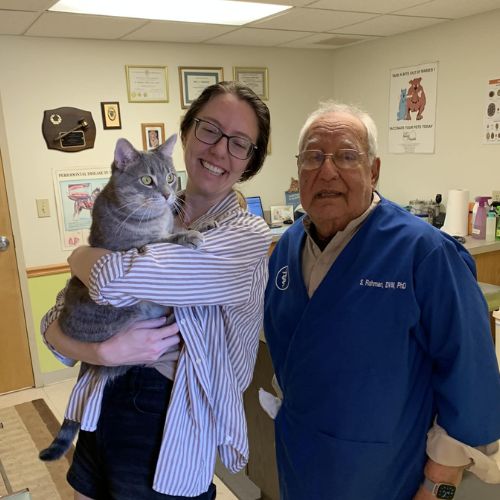
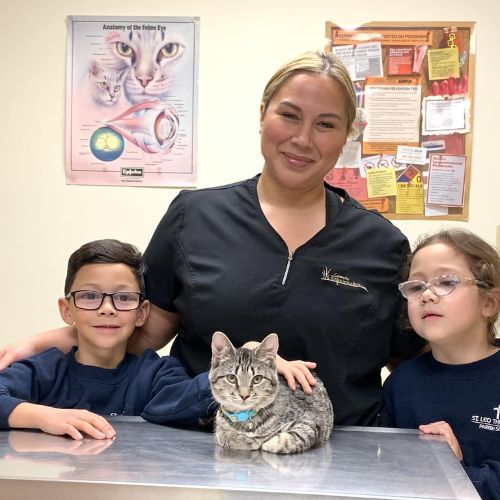
At Aaron Animal Clinic in Parma, we know veterinary visits feel easier when clients feel heard, and pets feel comfortable. Our practice is known for taking time with families, keeping communication open, and offering care in a more intimate setting rather than rushing pets through appointments. That thoughtful approach, combined with up-to-date diagnostics and a strong focus on practical guidance, helps us support every pet-related concern for dogs, cats, and exotics from Parma Heights, Parma, Seven Hills, Broadview Heights, Independence, North Royalton, and surrounding communities.
Why Parma, OH Pet Families Choose Us
Locally Owned Care
Our doctor-owned Parma clinic offers personal veterinary care in a welcoming setting where pets and their people are treated with kindness and respect.
Quick Appointment Access
For many non-emergency needs, pets can often be seen within a day or two, helping families get answers and care sooner.
Supporting Our Clients
We proudly connect clients with resources like One Health, Project CARE, and CareCredit when extra financial support may help.
Veterinary Services for Pets in Parma
From routine visits to more complex needs, Aaron Animal Clinic provides veterinary services focused on prevention, comfort, and practical treatment plans.
Wellness & Preventative Care
Routine exams, vaccinations, parasite prevention, and everyday guidance help support long-term health for dogs, cats, and small companion animals.
Dental Care
Dental care helps manage pain, bad breath, and oral disease while protecting your pet’s comfort, appetite, and overall well-being.
Senior Pet Care
Older pets benefit from closer monitoring, mobility support, and thoughtful care plans tailored to changing health needs and quality of life.
“Such a great business. You receive top-notch care because the staff is knowledgeable and always willing to help.”
Emily R.
“Very impressed with Aaron Animal Clinic on our first visit. The staff was attentive and professional, the waiting area was clean, and my Bubba was well cared for.”
Nancy H.
“Very nice staff and doctor. I would recommend bringing your pets here. Excellent facility for veterinary care.”
Saira Z.
“What an outstanding team!!! I can’t say enough wonderful things about this clinic. They are knowledgeable, patient, and dedicated to giving the best possible care to your pet.”
Janel F.
“Dr. Rahman is the best vet I have ever been to. I take all of our family pets here: my two cats, as well as my grandmother’s cat.”
Matt W.
“I cannot say enough good things about the doc and his team. We picked up a stray, and they were able to get us in same day without an emergency fee. Dr. Rahman was so kind and explained everything thoroughly.”
Madelyn K.
Familiar Faces, Reliable Care
Meet the Team Behind Aaron Animal Clinic
The team at Aaron Animal Clinic believes good veterinary care starts with relationships. Our Parma veterinary team takes time to listen, explain options clearly, and help pets feel as comfortable as possible during each visit. With a strong focus on communication, consistency, and compassionate care, we work hard to make every appointment feel personal for both pets and the people who love them.